Raising the Game: Athletic Spaces Designed for Women to Thrive
Across campuses and communities, the conversation around women's athletics is changing. It's no longer just about offering more sports or increasing participation numbers. Institutions are beginning to recognize that truly supporting female athletes and wellness requires more than parity on paper – it requires a deep rethinking of the spaces where women train, compete, and recover.
At ARC, we help schools and colleges bring that vision to life. From fieldhouses to fitness studios, the environments we design foster belonging, safety, and performance. These spaces support the physical and psychological needs of women and girls and are not simple retrofits of existing models.
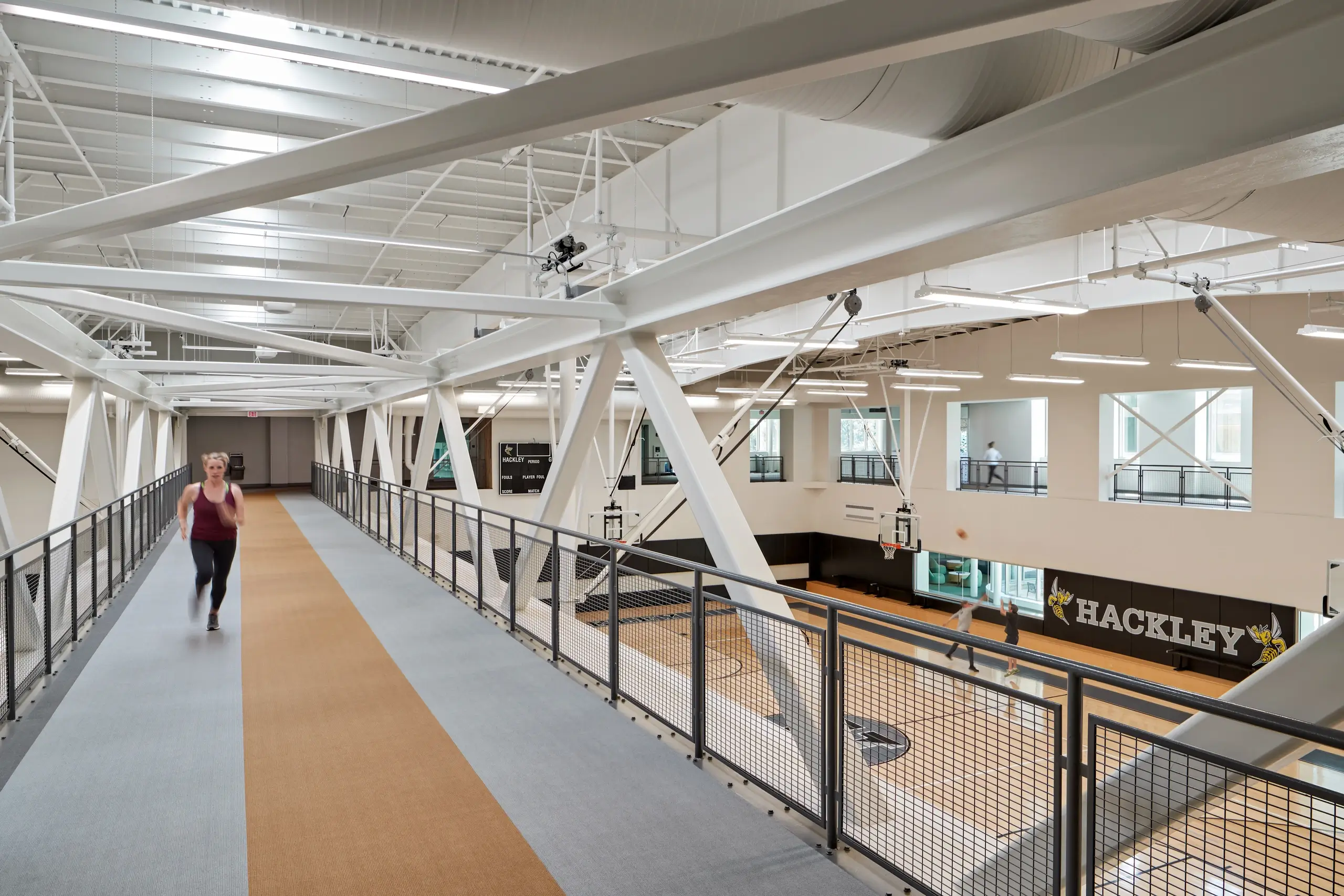
What It Means to Design for Women
Designing for women isn't about "shrinking it and pinking it." It's about reimagining default assumptions. Traditional athletic spaces have long been oriented toward male norms – in scale, flow, visibility, and even programming. To serve female athletes well, design must start from a different set of needs and expectations.
One highly flexible strategy is the use of fitness neighborhoods: intentional zones within larger athletic facilities that cluster cardio, strength training, group classes, and recovery spaces in a layout that promotes comfort, autonomy, and psychological safety. These areas offer a diversity of space types that allow women to work out in ways that match their comfort levels and training preferences, creating more choice and flexibility within the same facility.
Design details matter. Adjacent functions, intuitive wayfinding, and daylight access can encourage exploration and help lower intimidation. Acoustics, temperature control, and sightlines impact comfort and focus. Equipment selection and layout can invite broader participation when tailored to female proportions and training styles.
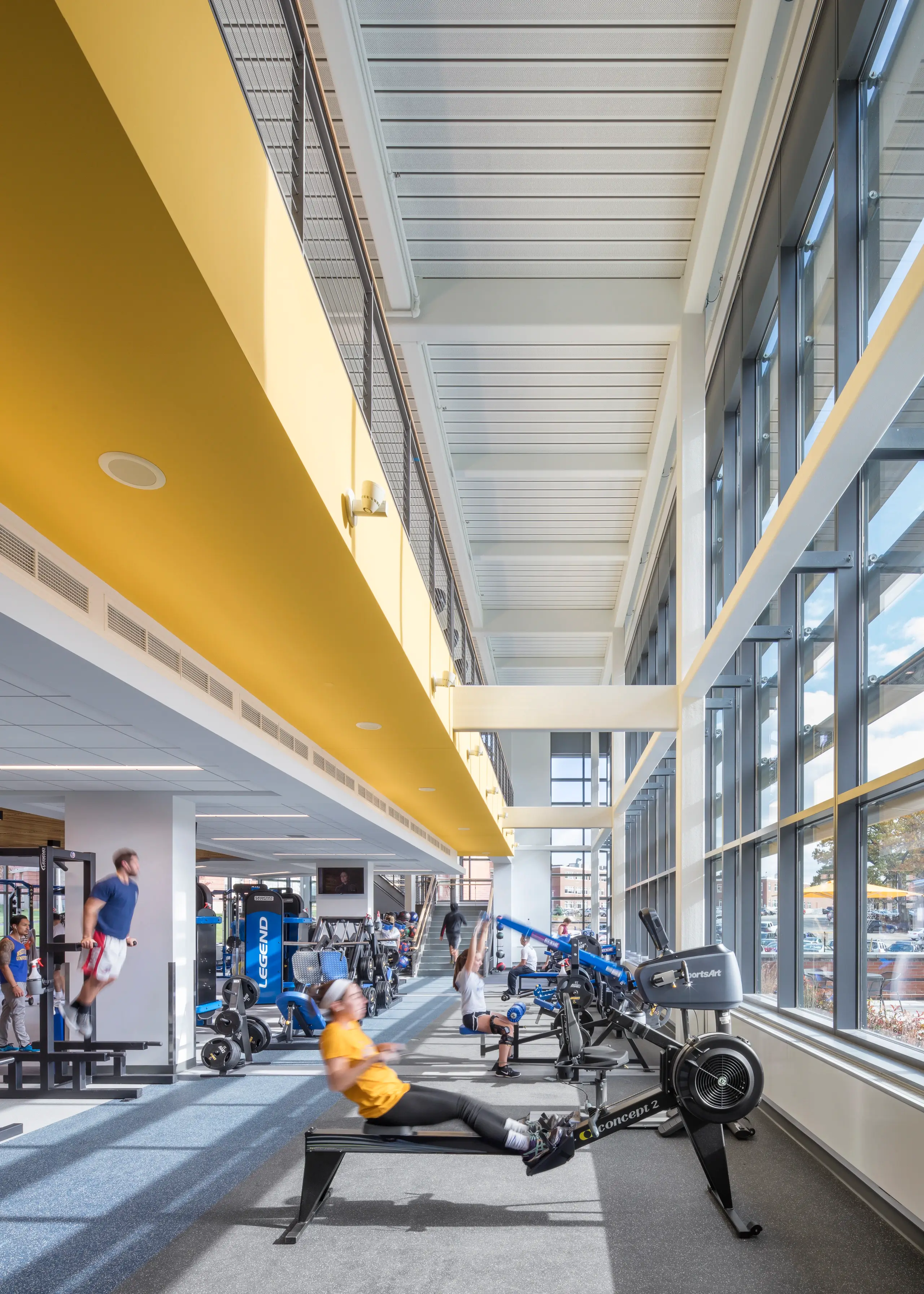
From Competition to Care
Wellness is no longer separate from athletics. For many women, it’s the entry point. Schools are recognizing that performance, recovery, and mental health are all connected – and that inclusive design accommodates that full continuum.
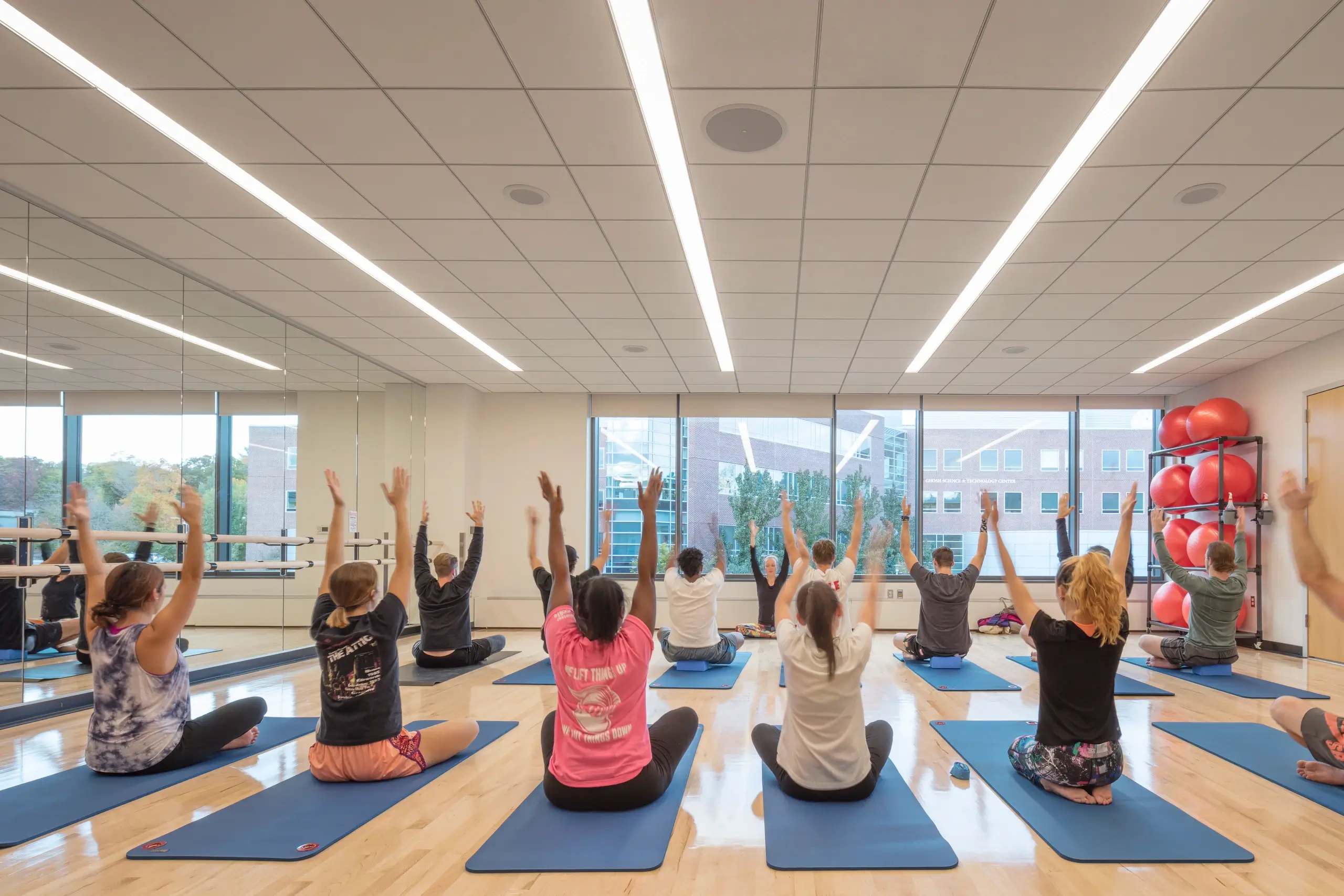
That might be a meditation room adjacent to a varsity weight room. Or a flexible studio that hosts both spin class and restorative yoga. Or quiet recovery zones where overstimulated students can decompress. These elements aren't luxuries – they're foundational to an environment that supports the full range of women's physical and emotional needs.
ARC works with institutions to integrate wellness as a spatial priority, blending form and function to create environments where self-care and athletic ambition coexist.
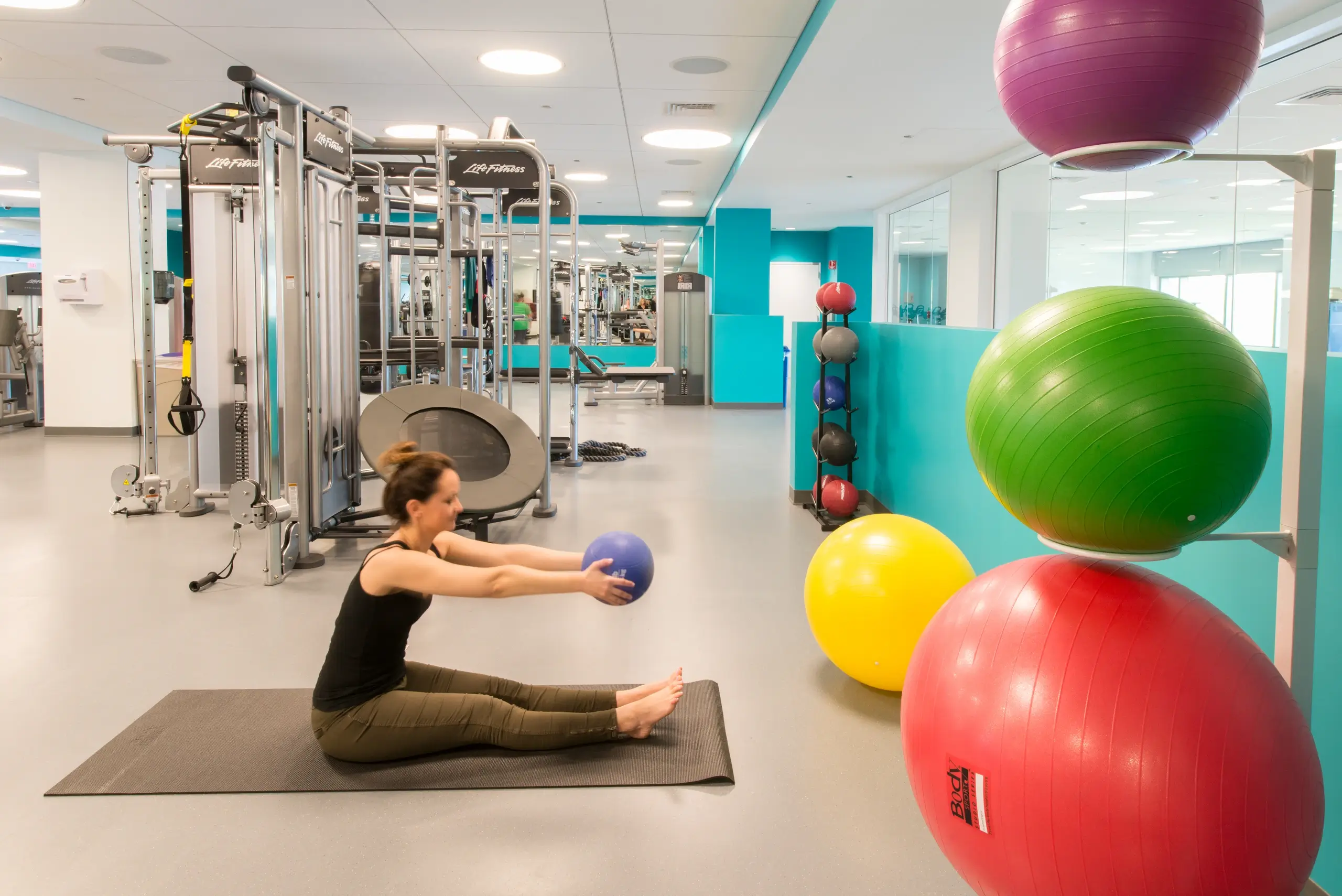
Coaching, Leadership, and Representation
Facilities aren't enough. Representation matters, too. Women remain underrepresented in coaching and sports leadership roles—a gap that institutions are beginning to address with intention. From hiring more female coaches to developing peer mentoring structures, schools are creating systems that affirm and empower.
Coaches are no longer just technical experts; they’re mentors and wellness partners. For many student-athletes, the presence of a female coach sends a powerful signal: you belong here. We’ve seen how strong coaching relationships contribute to student confidence, resilience, and leadership development – and how the design of athletic spaces can either support or limit those connections.
Design that enables visibility, collaboration, and ease of access between coaches and athletes can amplify that impact – whether it's shared offices overlooking practice spaces or lounge areas that double as team meeting zones. These elements aren’t afterthoughts; they’re part of creating a culture of leadership and support.
Visibility, Belonging, and Spatial Equity
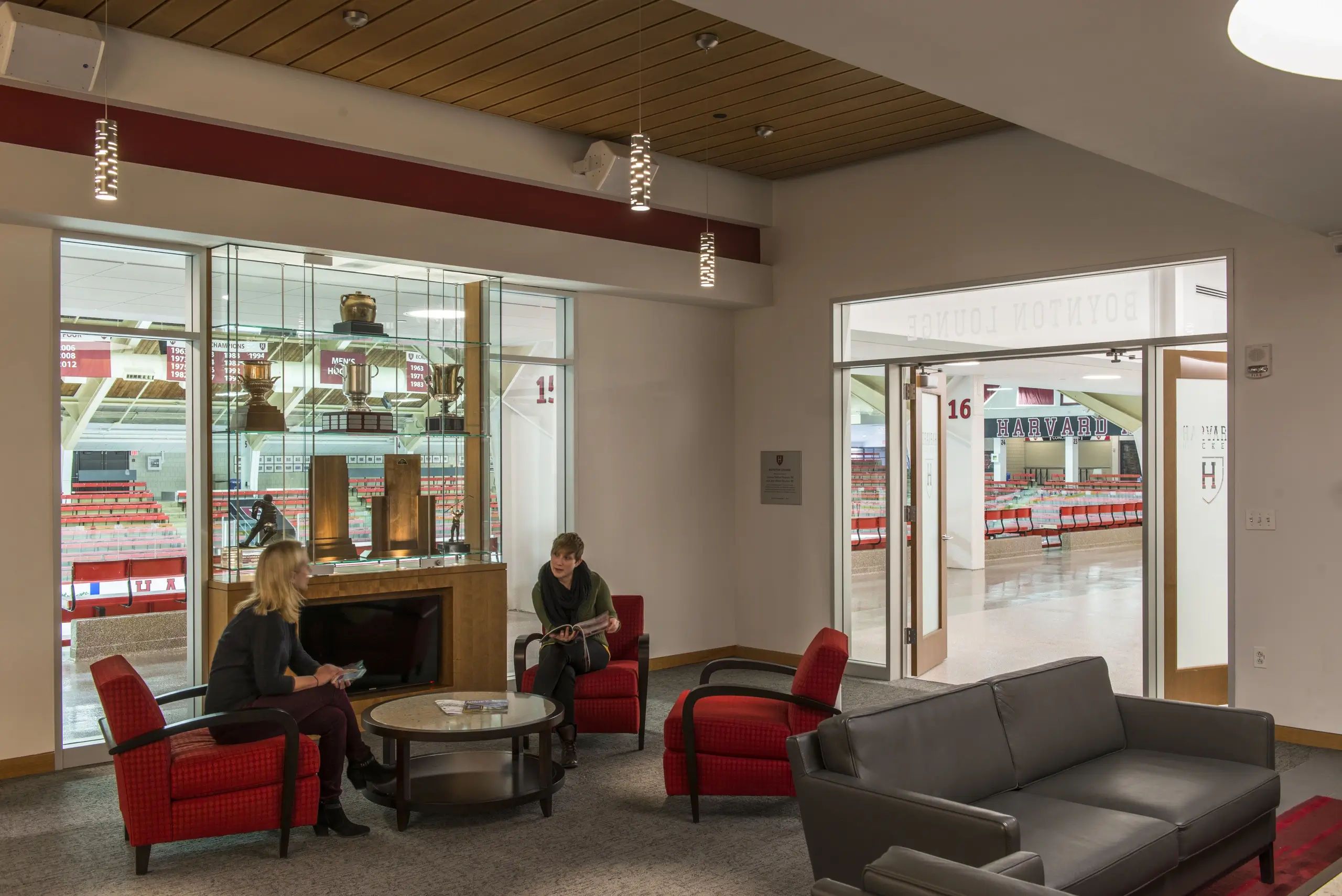
Where women’s athletics live on campus sends a message. Facilities tucked away in basements or back lots suggest secondary status. On the other hand, giving women’s programs central, visible space – both literally and programmatically – reinforces their importance and invites broader engagement.
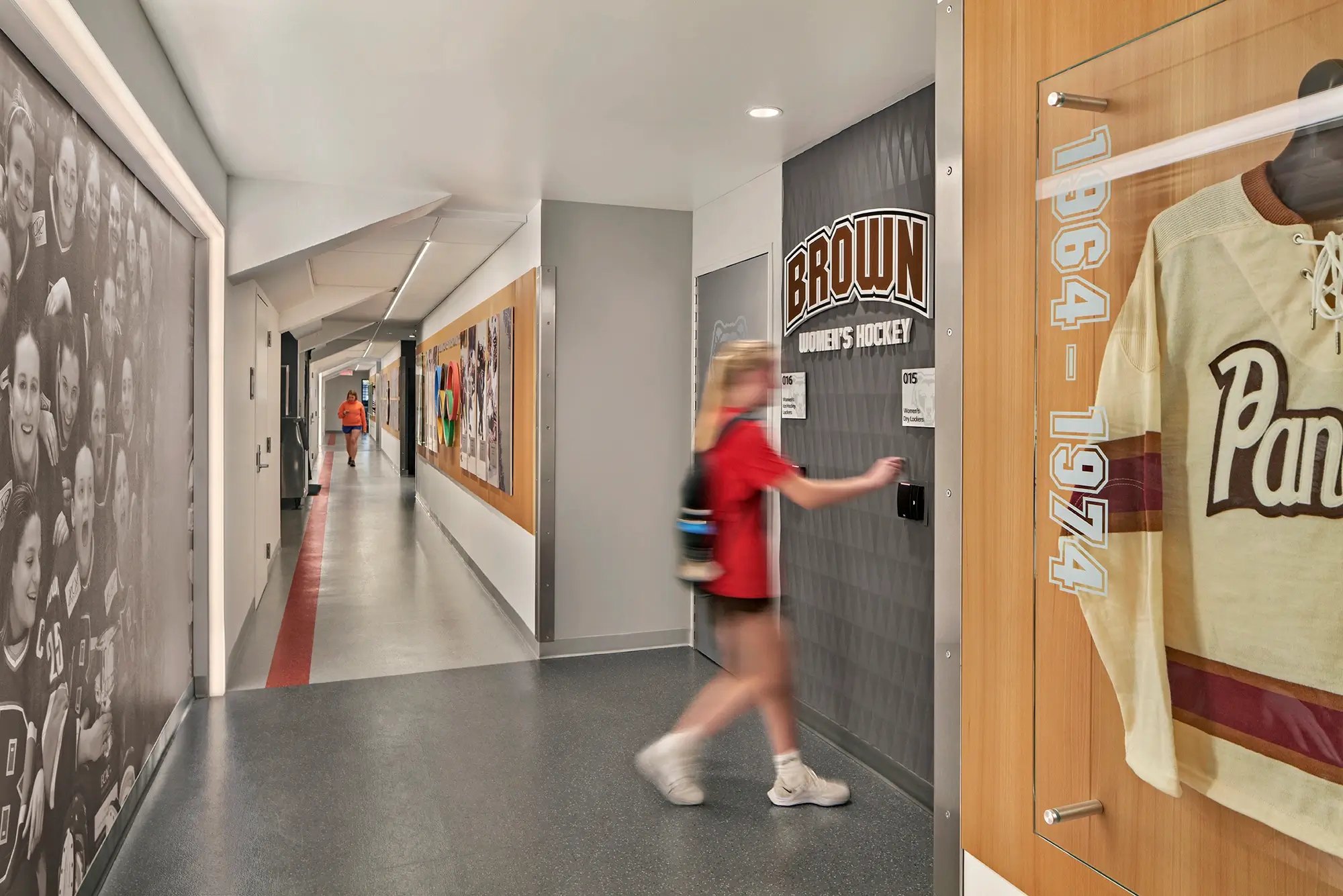
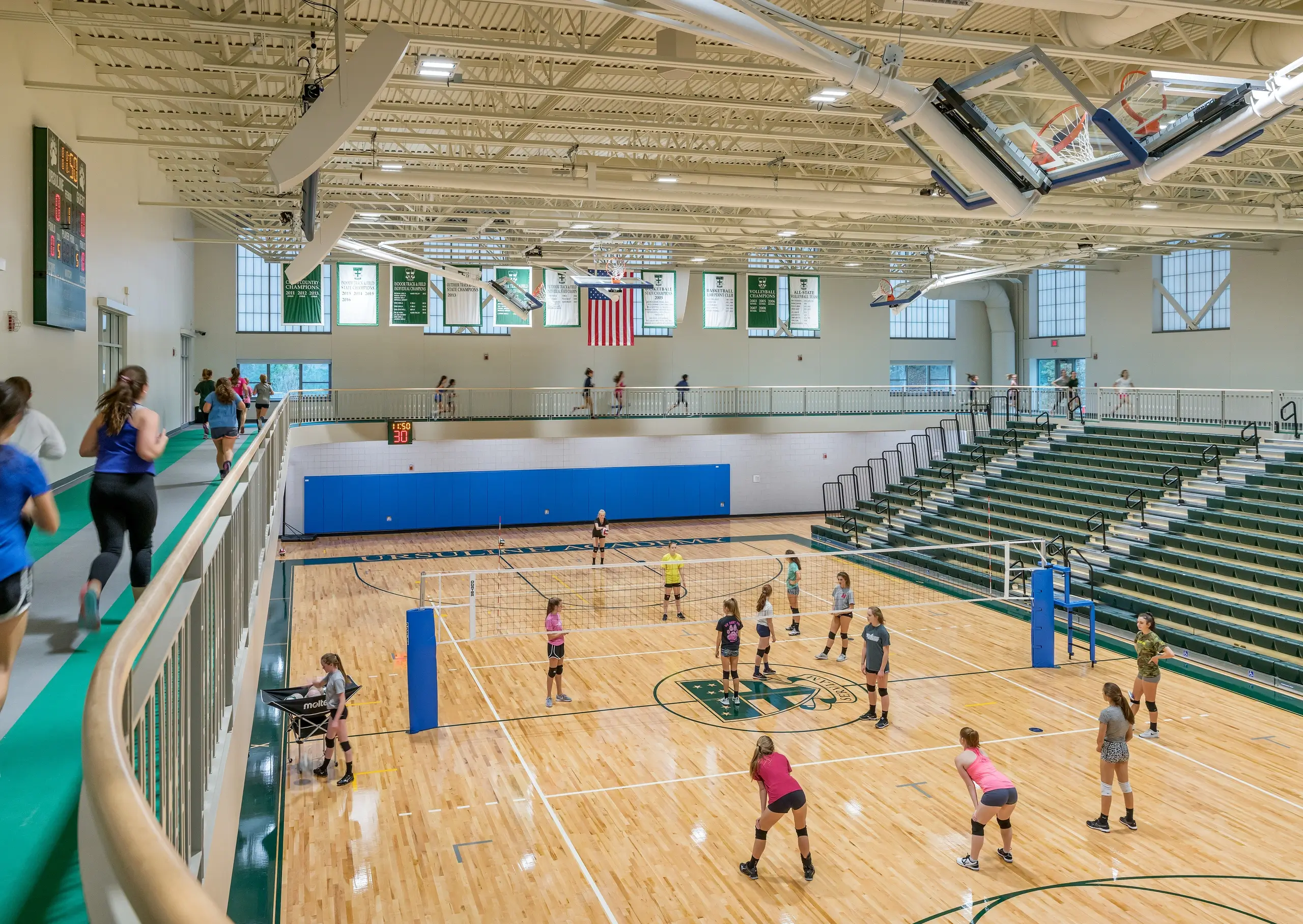
We often draw from lessons learned in all-girls schools, where every athletic space, every banner on the wall, and every coaching role centers girls. That environment builds confidence. It also offers insight into how design can shape culture. In coed settings, where gender dynamics are more complex, this kind of intentional design is even more critical.
At ARC, we think spatial equity means more than equal square footage. It means creating environments where women see themselves reflected in the culture of a space, from the images on the walls to the layout of the locker room. It means designing for leadership, safety, and pride.
Final Thoughts
The future of women’s athletics isn’t only about more. It’s about better: better environments, better support systems, and better alignment between physical space and institutional values.
At ARC, we’re proud to work with forward-thinking schools and colleges to design spaces that raise the game for everyone – and especially for the next generation of strong, confident women ready to lead from the field, the studio, or wherever movement inspires them.