Master Planning: Tips for Getting Started
Starting a campus-wide master planning effort can feel daunting, but getting off on the right foot makes all the difference. The early groundwork you lay before design teams are even selected will shape the quality, accuracy, and momentum of the entire process.
At ARC, we’ve seen again and again that institutions, schools, colleges, and universities alike, benefit from thoughtful preparation. Before you issue an RFP or host your first interview, a few key steps can set you up for success.
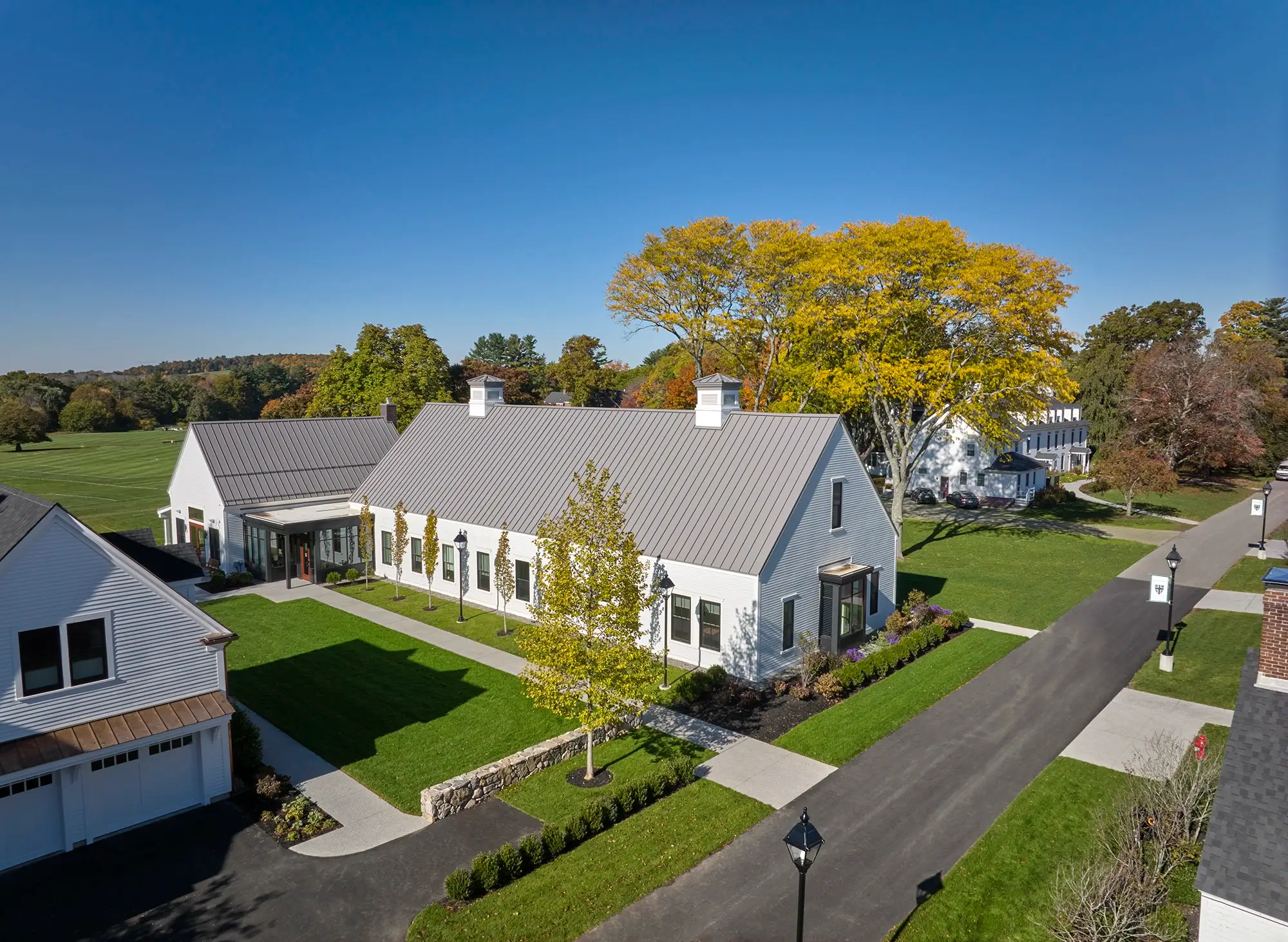
Conduct a Campus Site Survey
Begin with a reliable picture of your physical site. A civil survey provides topography, utilities, and property data that helps your planning team start strong. Sharing this with potential design partners during the RFP process lets them respond with well-informed proposals and saves valuable time once the project begins.
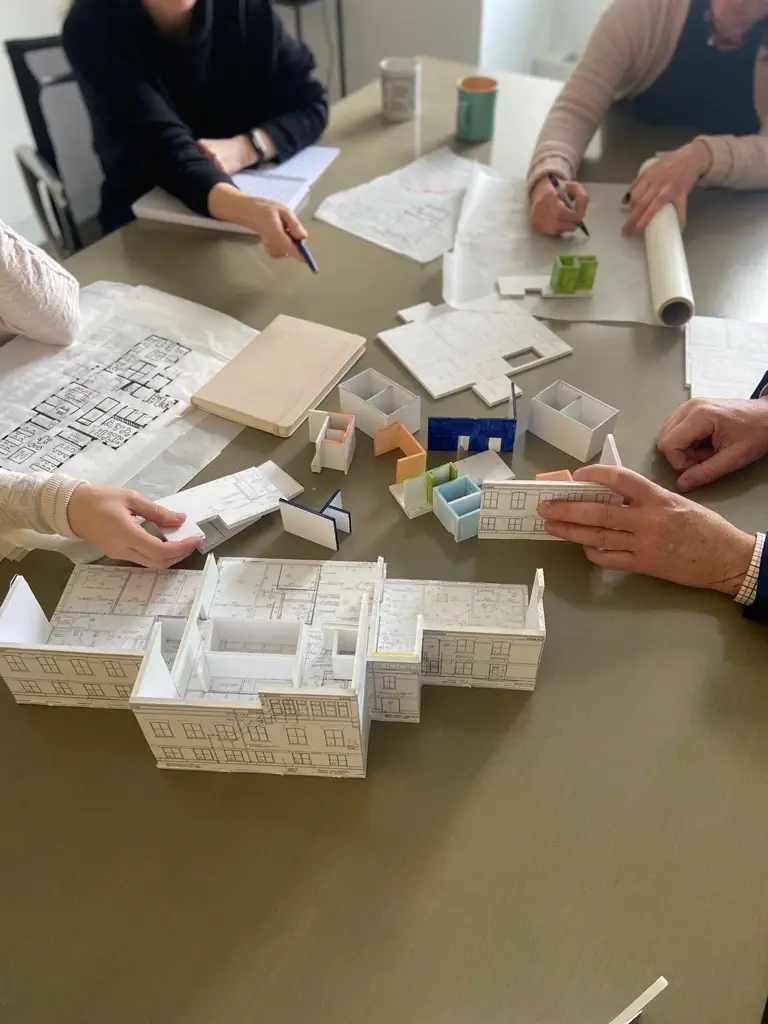
Gather Floor Plans
Collect all available floor plans of existing buildings and have them scanned into PDF format or even better provide CAD files if available. This helps the design team assess current conditions and facilitates early stakeholder interviews. Similar to a survey, having plans ready avoids time-consuming searches through storage or archives, and it allows stakeholder conversations to focus on ideas and priorities rather than missing information.
Think about Your Master Plan Committee
Master planning works best when guided by a small, focused group, typically five to eight members, supported by a few core consultants. The most effective committees include:
- A clear, respected chair – a person with the knowledge, experience, and leadership temperament well suited to foster collaboration and maintain focus
- Committee members with the right skill and experience to meaningfully represent the larger institutional community
- A clear line of accountability to the Board or senior leadership, so decisions remain strategic
Establish early how the committee will share updates, gather feedback, and integrate trustee milestones or major campus events into the planning schedule. (For example: “We’ll need a vision ready for presentation at the spring gala.”)
Identify the Advisors you’ll Need
In addition to clearly outlined goals and key areas of focus, who do you need to engage to get the most from your study? This is something the design team can help you clarify but some clients choose to enlist support ahead of the planning effort. Examples of this support include:
- Architecture and planning firms (shortlisted through your RFP)
- Civil, structural, and MEPFP engineers
- Facilities condition assessors
- An Owner’s Project Manager (OPM)
- A cost estimator - either independent or through a construction manager
The right mix of advisors ensures your plan is both visionary and grounded in practical, buildable realities.
Clarify Your Goals and Priorities
Before interviews, articulate what you hope the plan will accomplish. Is your focus on growth, modernization, sustainability, or operational efficiency? Are you trying to align with a new strategic plan or prepare for capital fundraising? Clear priorities help your design team tailor both process and deliverables to your needs.
Why This Matters
Good planning starts before planning begins. The more information, organization, and intention you bring to the table, the faster your team can dive into meaningful work and the more value you’ll gain from the process. These early steps also help level the playing field among prospective firms, allowing you to compare their true approach, creativity, and fit.
What Comes Next
Once your team is in place and the groundwork is set, the real collaboration begins. In Part 3: What to Expect, we’ll walk through how a master planning process unfolds, from early discovery to testing ideas and shaping a clear, phased roadmap.
Stay tuned for how a strong master planning process creates clarity, consensus, and real momentum.
Missed Part 1? Start there to get the full context and stay tuned for Part 3 where we’ll dive deeper into what to expect in Master Planning.
Pt. 1: Do I Need a Master Plan?