Lessons from Eight Years on the Ice
Eight years after opening, a return visit to the Bentley University's Arena offers valuable insights into design decisions that stand the test of time.
When designing an ice arena, the focus is on game day: the quality of the ice, the energy of the space, and the experience of athletes and spectators. Another, and more often gratifying measure of success happens years later, when the building has weathered eight-years of storms, practices, games, events, and daily use.
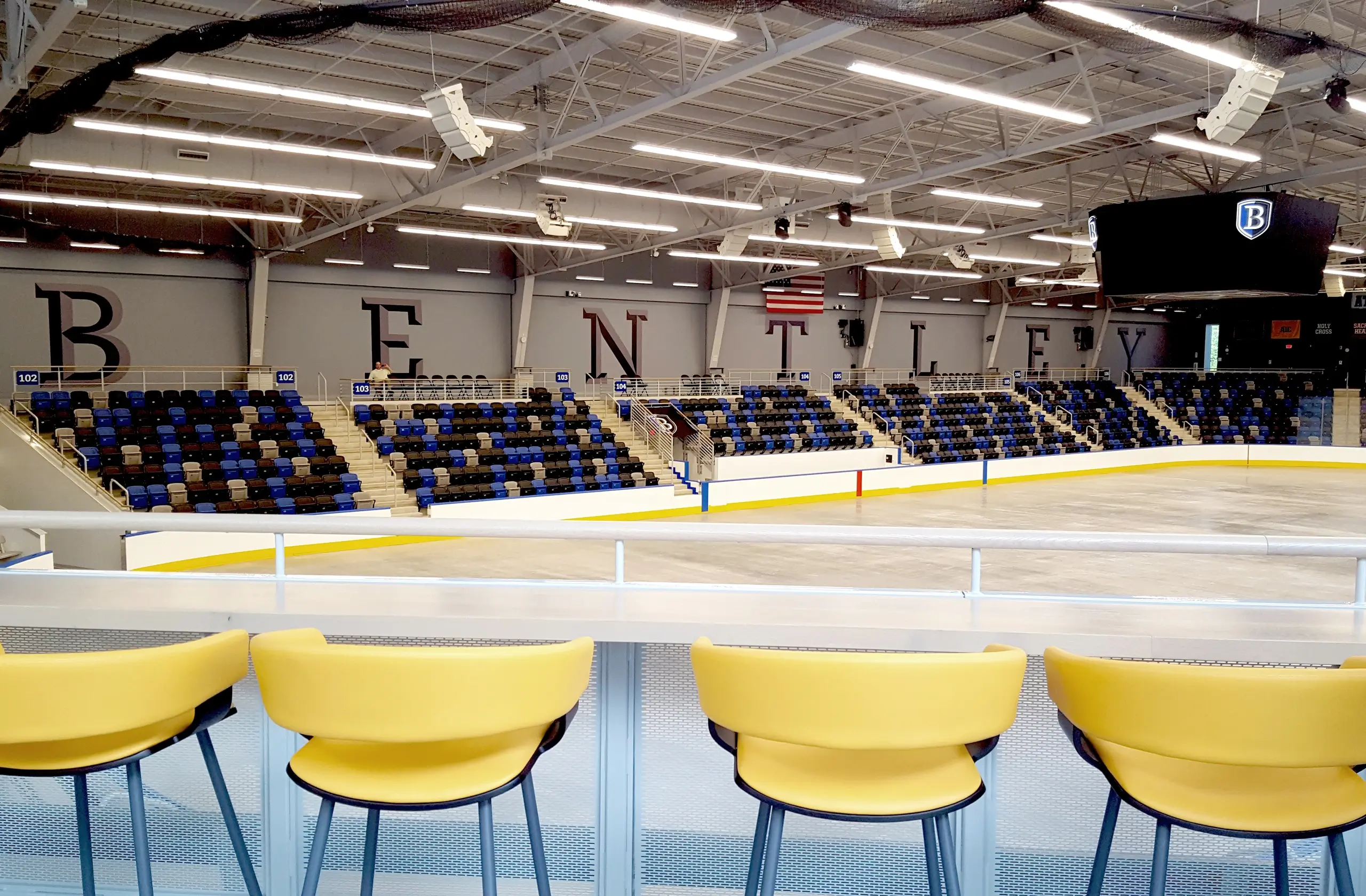
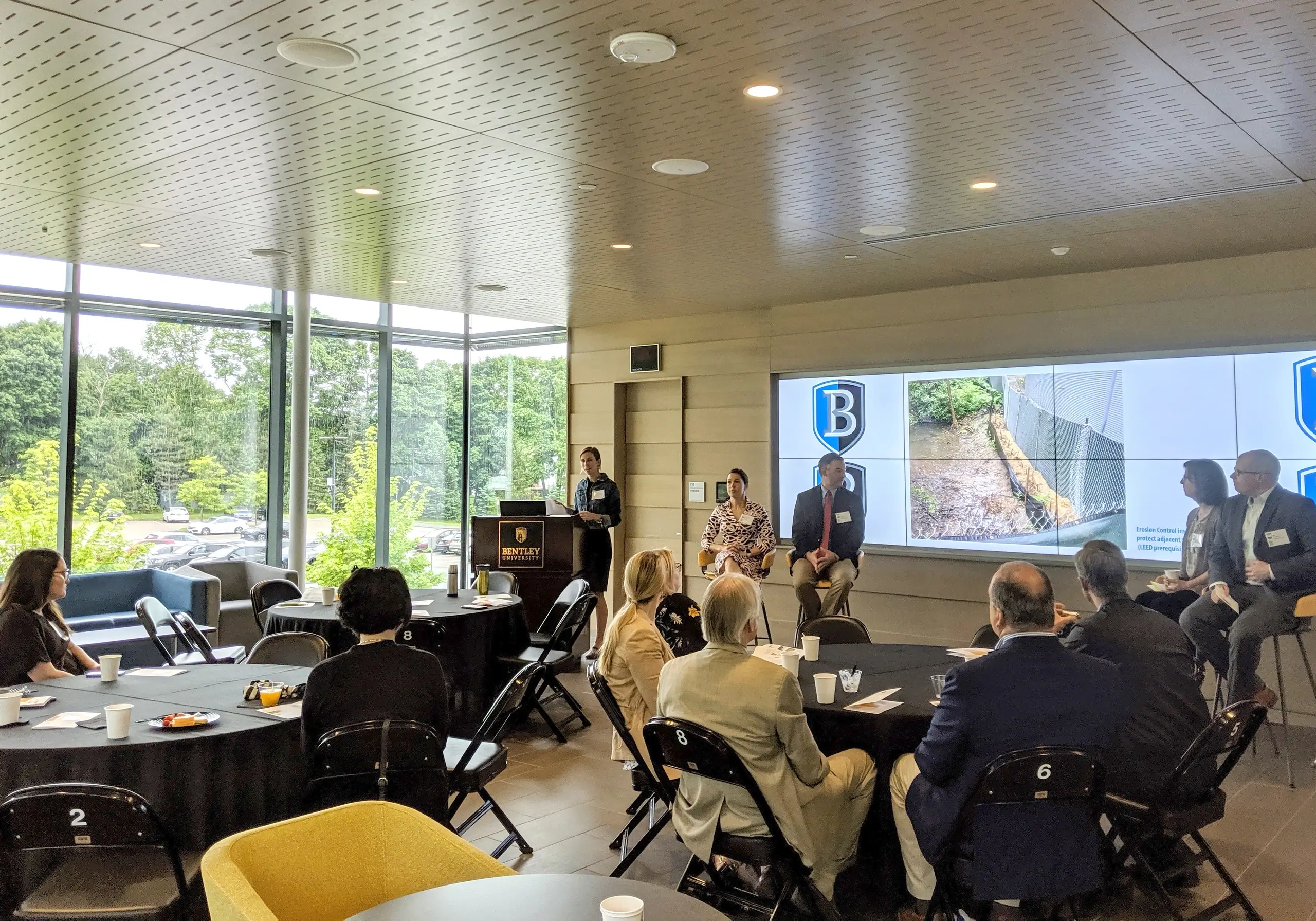
ARC recently returned to the Bentley University Arena, which opened in 2018 as the first stand-alone LEED Platinum ice arena in the United States. We met with the team who run and use the building every day, and their feedback provided an opportunity to see how original design decisions have performed, understand how Bentley's needs have evolved, and identify lessons learned for future projects.
Investing in Durability
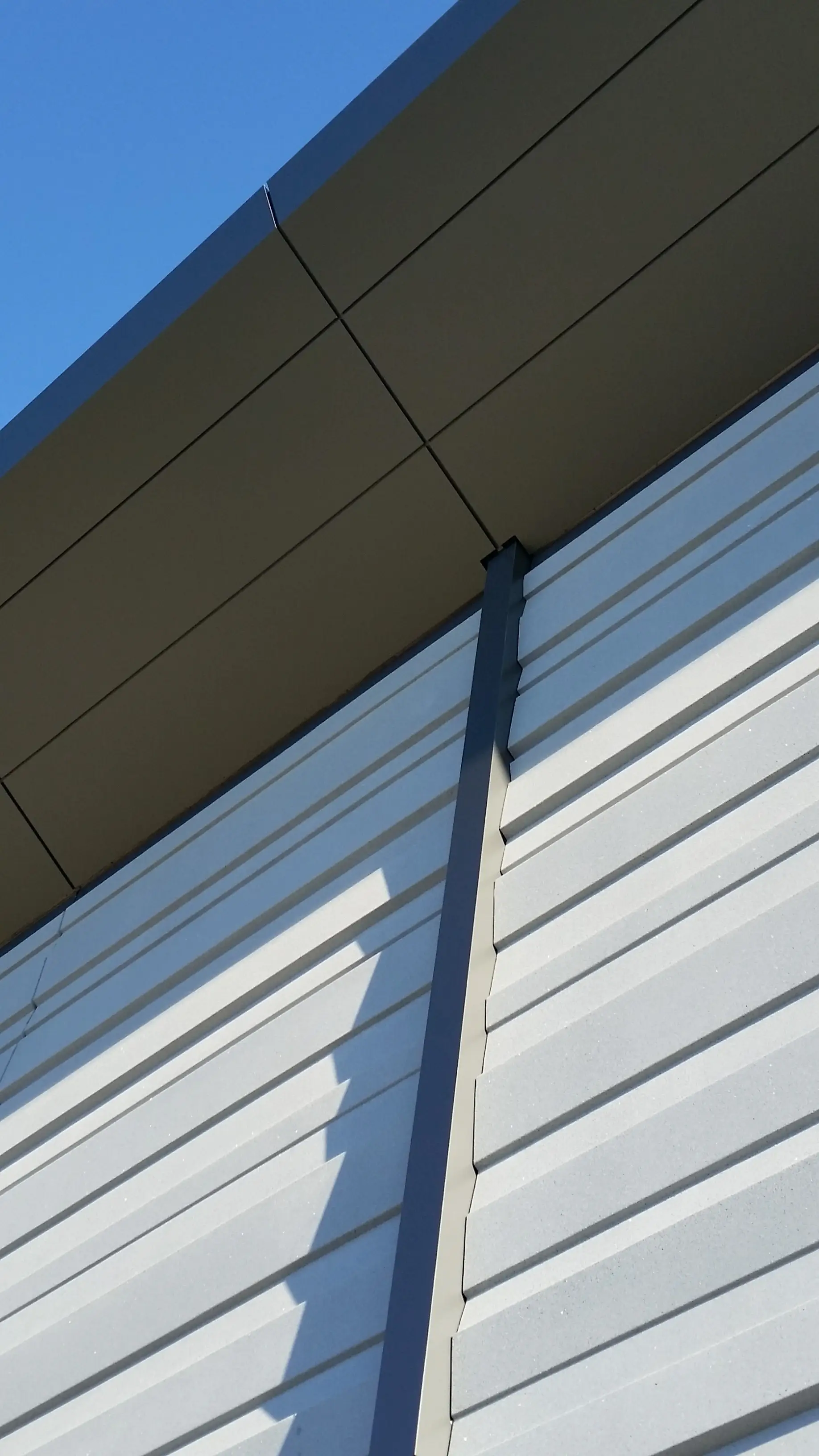
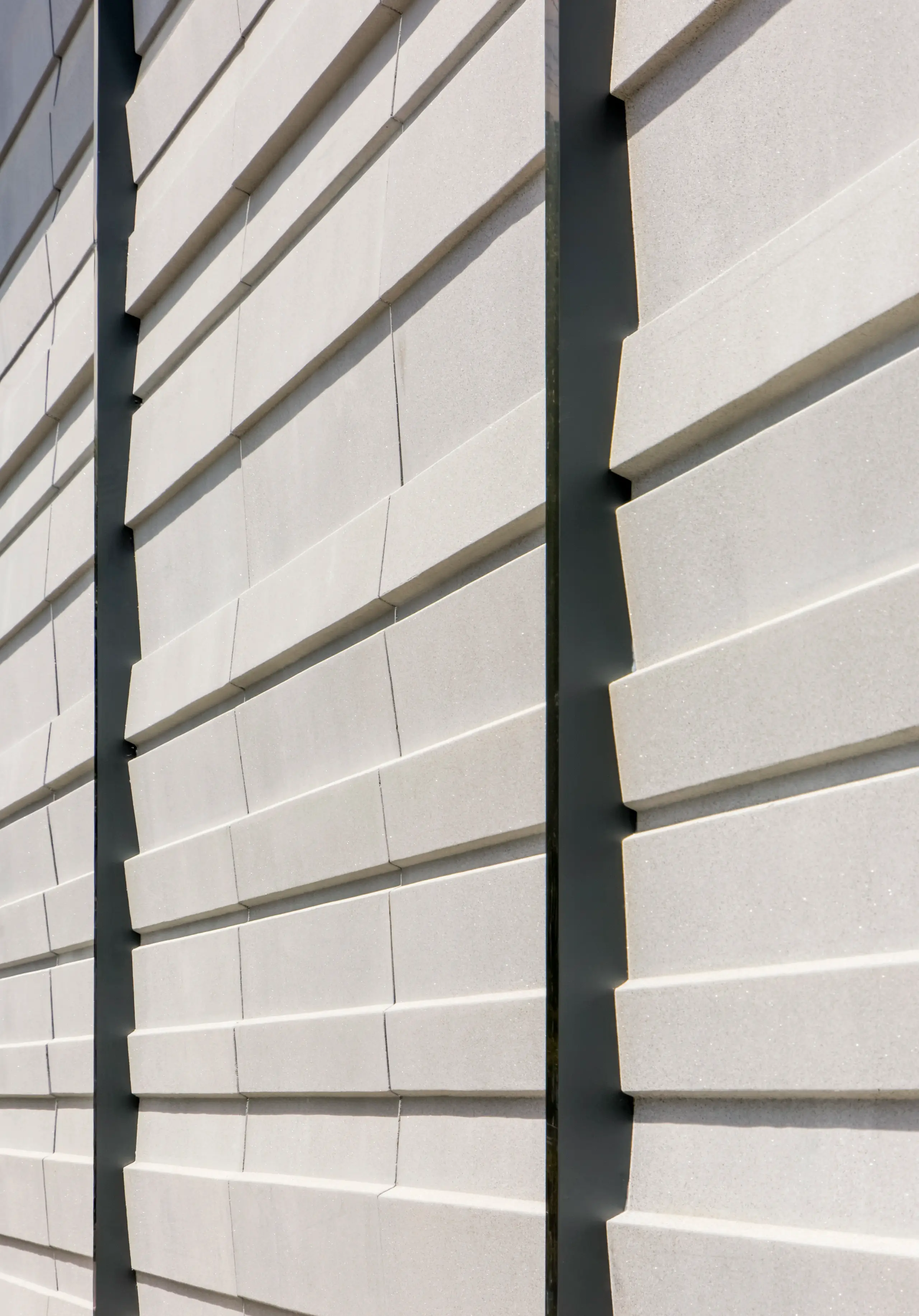
One of the most satisfying observations from our visit was how well the building has aged. Eight years after opening, the precast concrete exterior is as dynamic as it was on opening day. The concrete panels have required little maintenance, and the exterior curtain wall and the metal panels still look new. Inside, the epoxy resin flooring has worn little under the demands of an active athletics facility.
The spectator seating demonstrates the value of considering durability during design. The blend of three seat colors continues to foster an energetic atmosphere and offers a practical maintenance advantage: individual seats can be replaced in any of the three colors without affecting the overall appearance.
These simple examples are a reminder of how thoughtful design and material choice can preserve a high use building's character and reduce long-term maintenance.
Balancing First Cost and Long-Term Value
Ice arenas are demanding buildings, with complex refrigeration, dehumidification, and mechanical systems that must work reliably and not affect the quality of ice or the experience of the place.
At Bentley, the ice continues to receive high marks - and the facilities team expressed satisfaction with the performance of the ice plant and dehumidification systems. These are critical investments in the long-term success of the facility.
Every project requires balancing first construction costs with durability, operating efficiency, and future maintenance. The least expensive choice at the time of construction is not always the best value over the life of a building. As an example, ice systems like Ammonia have a slightly higher first cost but are highly reliable and affordable over time. In contrast, packaged chiller systems that use artificial refrigerants have the lowest first cost but have a shorter life span and involve more risk because of the refrigerant life.
Our role as designers is to help our primary stakeholders understand the various costs and benefits of the building systems and materials and identify where added investment will have the greatest long-term benefit to help our clients align with budgets and future priorities.
An added priority is to highlight opportunities for future needs without making substantial investments upfront. For example, providing space and connections for temporary dehumidification equipment can make it easier to support rink operations when permanent systems require service or replacement. These modest provisions can provide valuable insurance against future disruption.
Designing for Flexibility and Change
While buildings should be designed to last, the programs they support evolve.
At Bentley, the strength and conditioning room was sized to meet the project's original budget. Its connection to daylight and exterior views helped to create an open and inviting environment despite its compact footprint. Learning from our recent visit, a direct connection to the outdoors would have provided additional opportunities for training and expanded the functional reach of the modest are initially provided.
Other changes are less predictable. Coaches bring different training philosophies, equipment evolves, and operational practices change over time. Providing accessible infrastructure and the ability to move specialized equipment, like glove dryers, can make it easier to accommodate these shifts without significant renovation.
The arena's multipurpose room, known as the Cube, has also become an important part of team life, accommodating meetings, video review, meals, and special events. As the hockey program's desire to gather for team meals has grown, competing demands for this popular space have increased.
The lesson is not that every future use must be accommodated from the outset. Rather, it is the importance of helping clients understand how different programming decisions may influence options over time, and where providing modest improvements can preserve future flexibility.
Learning from Buildings in Use
Returning to completed projects offers something that the design and construction process cannot: the perspective of years of real-world use.
At Bentley, the quality of the ice, spectator experience, and durability of the building continue to confirm important decisions made during design. At the same time, conversations with facilities staff, coaches, and arena operators have reinforced the value of considering maintenance access, operational simplicity, and future adaptability in even the smallest design details.
[ARC] was committed to Bentley’s ambitious environmental goals for the arena, pursue[ing] an integrated approach to design and sustainability. We are thrilled with the result.
For ARC, these conversations are an important extension of our process. They allow us to test our assumptions, understand the long-term consequences of design decisions, and bring that learned experience to each new project.
A successful ice arena must deliver an exceptional experience on opening day. A thoughtfully designed one continues to perform, adapt, and serve its community for decades to come.
Explore ARC's approach to designing ice arenas, including the key planning, operational, and technical considerations that contribute to successful facilities for athletes, spectators, and operators.